

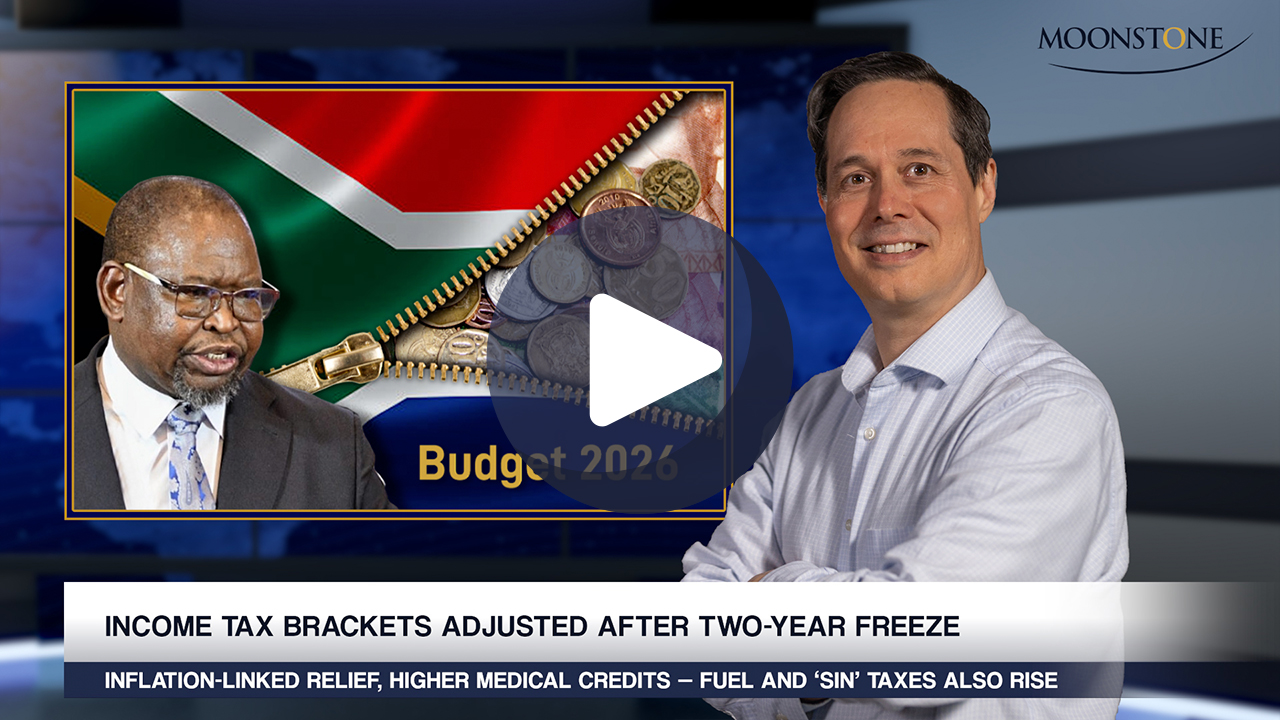

No blanket exchange control exemption for cryptocurrencies
The SARB will publish targeted frameworks to govern cross-border crypto flows and CASP reporting, says the Minister of Finance.
The SARB will publish targeted frameworks to govern cross-border crypto flows and CASP reporting, says the Minister of Finance.

Reserve Bank Governor Lesetja Kganyago says permanently lower inflation, fiscal consolidation, and reduced country risk could cut interest rates and create space for sustainable growth.

The Reserve Bank’s repo rate cut by 25bps to 7% signals the start of a more accommodative cycle as inflation remains firmly under control.
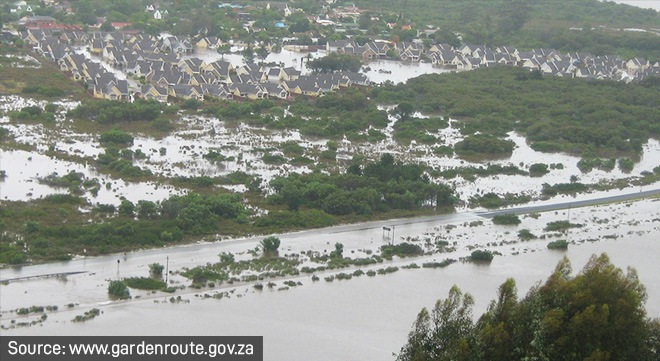
The government will engage the sector on the potential for parametric insurance to improve South Africa’s approach to disaster risk.


A study says the reasons include underinsurance, poor maintenance, claims processing delays, and market constraints.

The Financial Action Task Force’s Plenary in October will decide whether to remove South Africa from the grey list.
Government departments can now implement their spending plans for services, infrastructure, and social programmes.
The National Assembly has passed the 2025 Appropriation Bill, unlocking R2.3 trillion in government spending.

The annual benefit escalations for policies that fall under the Demarcation Regulations.

The FSCA’s Sustainable Finance Programme seeks to harmonise local markets with global ESG standards – focusing on taxonomy, disclosure, reporting and investor education to bolster climate resilience.
Treasury cautions that the forced acquisition of two million private SARB shares could breach bilateral treaties and unsettle investor confidence.

The FATF’s mutual evaluation in April 2027 will drill down into how well AML/CFT measures work in practice rather than just ticking technical boxes.
South Africa now awaits an on-site visit by the FATF Africa Joint Group – paving the way for an anticipated exit from the grey list at the October plenary.

What the Authority expects from financial services providers when it conducts Financial Intelligence Centre Act inspections.

The fuel levy hike remains in force, but a broader court challenge over the finance minister’s power to increase taxes continues.
National Treasury forecasts a narrowing deficit, from 4.8% of GDP in 2025/26 to 3.8% in 2026/27. Fitch, however, projects larger deficits of 5.1% and 4.5% respectively.
An inflation-linked rise in the general fuel levy will in no way be sufficient to plug the revenue hole left by scrapping the two VAT increases.