


The rand’s long-term outlook may be changing
Improving domestic fundamentals, a potentially weaker US dollar, and lower inflation could mean the rand depreciates more slowly than investors have come to expect.
Improving domestic fundamentals, a potentially weaker US dollar, and lower inflation could mean the rand depreciates more slowly than investors have come to expect.

From the rand and commodities to electricity and logistics, several pieces of the South African investment story are moving in the right direction.
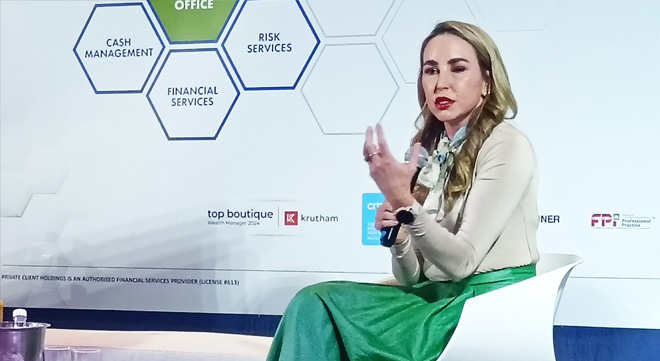
Fairtree Capital’s Chantelle Baptiste argues that investors who focus only on today’s headlines risk missing the bigger forces shaping tomorrow’s opportunities.

After an unpredictable first half, Morningstar outlines the risks, opportunities, and investment themes it believes will shape markets for the rest of 2026.

A Debt Rescue survey suggests many households have little capacity left to absorb higher borrowing costs, adding to concerns about rising food, fuel, and electricity expenses.
The SARB still faces risks, although lower oil prices and improving supply expectations point to a less threatening inflation path than three weeks ago.

Signs of recovery are emerging across the economy, yet questions remain about whether the momentum can survive global uncertainty.

Inflation has already erased recent gains, and higher fuel costs risk deepening the squeeze on household budgets.

DebtBusters data shows repayments still swallow most take-home pay, with pressure shifting upwards to higher earners and credit thinning out for lower-income households.

Global shocks may be getting harder to forecast, and the real task is constructing portfolios that can withstand a wider range of outcomes.

Fuel-price shocks, sticky services inflation, and global pressures are making it harder for the SARB to keep inflation anchored near its new goal, says Sanlam.
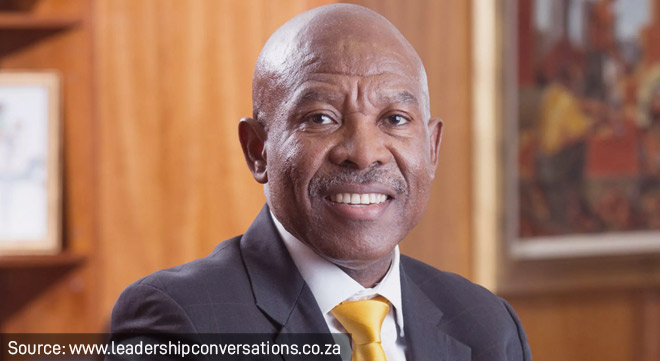
The Reserve Bank is not ruling out more rate tightening after successive fuel price jumps have revived inflation risks.

A Middle East-driven energy surge is reshaping inflation, interest rate expectations, and portfolio positioning, with direct implications for South Africa.
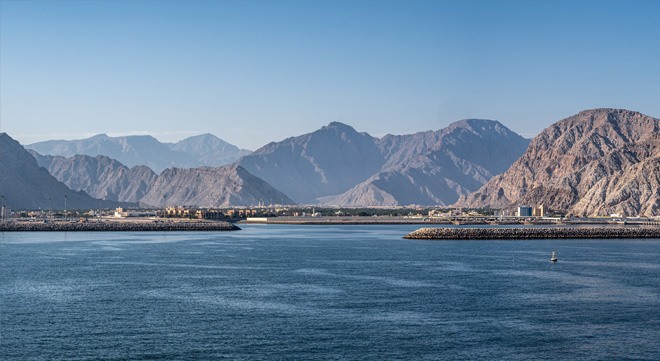
After attacks disrupted traffic through the Strait of Hormuz, crude prices spiked sharply – raising the prospect of higher fuel costs and renewed inflation pressure locally.
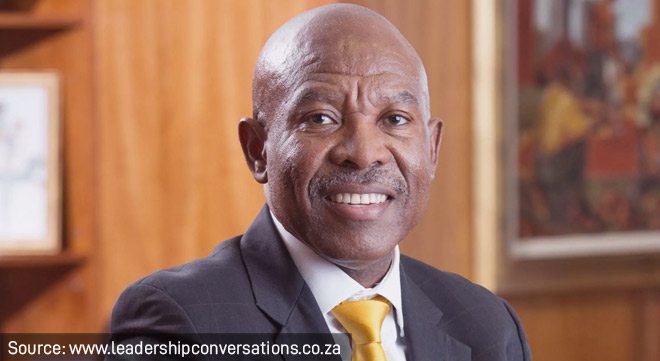
The MPC’s first rate cut in months underscores the SARB’s view that a lower target can support a gradual easing cycle.
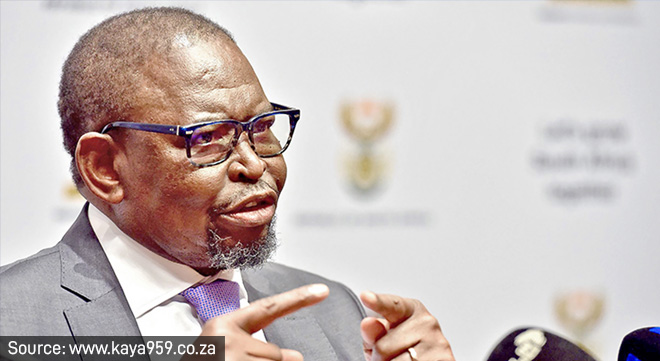
Godongwana announces a shift from the 3%-to-6% range to a 3% target with a 1-percentage-point tolerance band, to be implemented over two years.
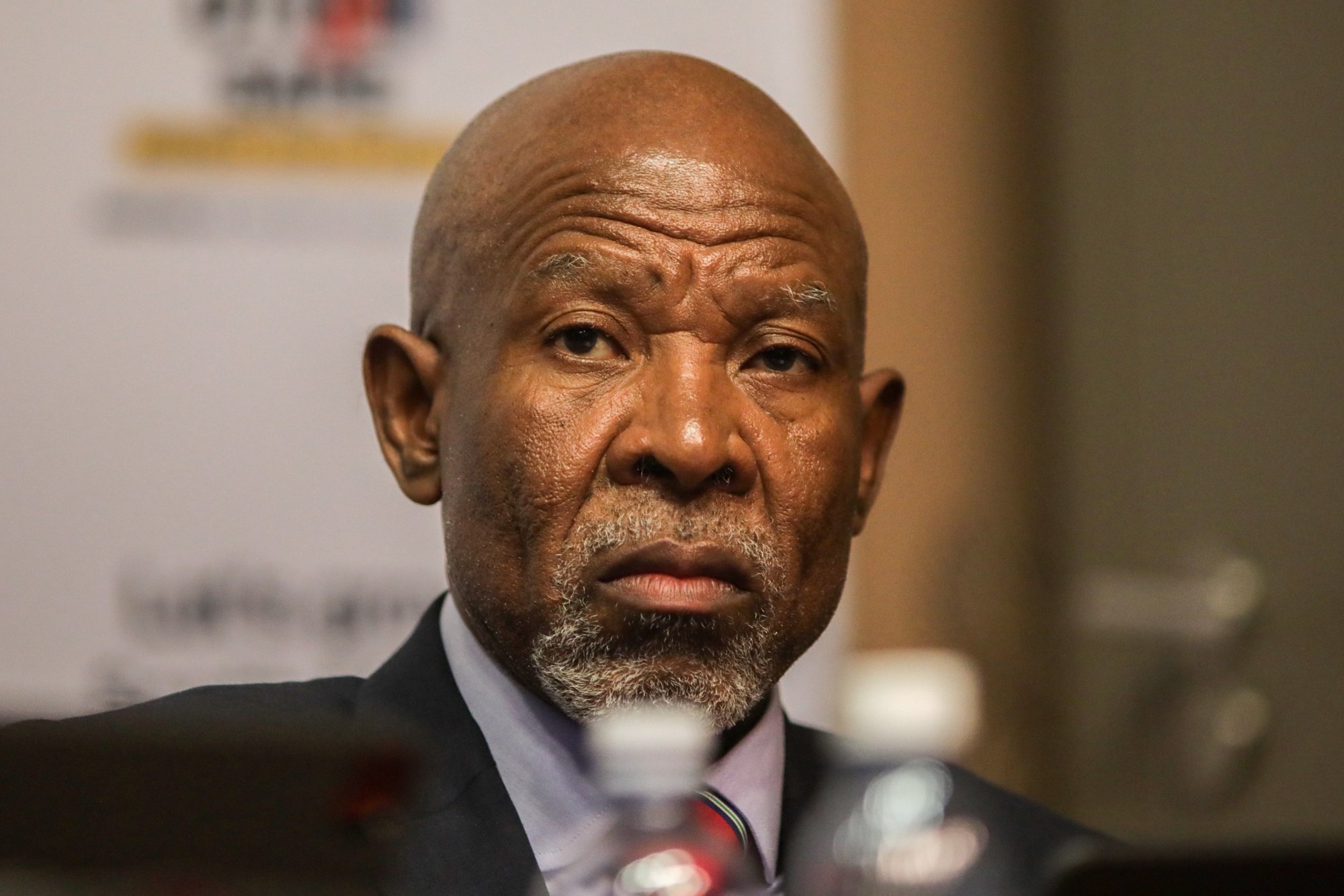
Governor Kganyago signals target reform ‘as soon as is practical’ while policymakers pause cuts.