



COFI: What must an advice file prove beyond compliance?
The FSCA’s Lezanne Botha explains why signed forms and completed disclosures are not enough, and what evidence can show that advice was suitable and customers were treated fairly.
The FSCA’s Lezanne Botha explains why signed forms and completed disclosures are not enough, and what evidence can show that advice was suitable and customers were treated fairly.
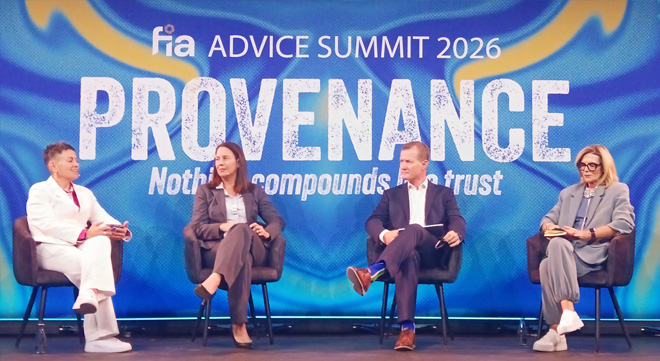
The FSCA plans to consult on its relicensing approach and publish it about six months before the relevant provisions take effect.

From AI and climate risk to healthcare costs and regulatory reform, the summit explored how advisers can adapt while preserving sound judgement, accountability, and meaningful client relationships.

The inquiry will consider whether trades executed during April and May 2026 contravened the Financial Markets Act.

The regulator’s notices cover a purported refund operation, the misuse of legitimate FSPs’ details, and unauthorised forex, crypto-asset, and copy-trading offers.
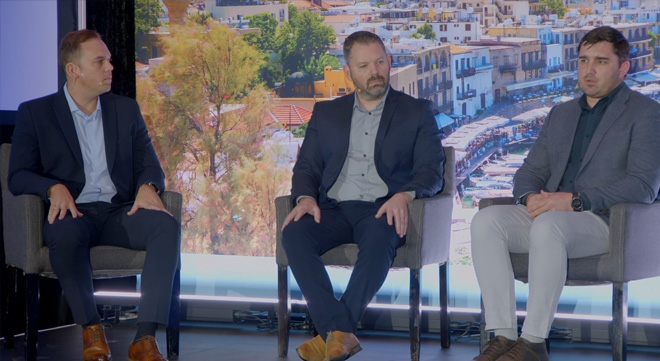
Who can advise on digital assets, where can clients move them, and what can SARS see? A practical look at the questions advisers need to understand.

The regulator says EduMe is not an approved examination body, although education providers may offer services that help candidates prepare for the examinations.
The regulator is examining possible contraventions involving the provider, which operates the EZInvest and Financix trading platforms.

The separate actions follow findings of alleged contraventions at three providers and preliminary questions about the management and oversight of two others.

The 2025/26 Integrated Report records supervisory work on disclosure, customer consent, transactional fees, and customer treatment.

Levies supplied almost 89% of revenue, while the financial statements recorded a R4.04bn impairment against gross penalty debtors of R4.06bn.

The FST says the factors in section 167 of the FSRA are individual in nature and must be assessed in determining the appropriate penalty for each person.

The developing FSCA value-for-money approach puts costs alongside investment performance, service quality, governance, and member outcomes.

FSCA deputy commissioner Farzana Badat offers a glimpse into the regulator’s thinking on accountability, privacy, and human oversight.
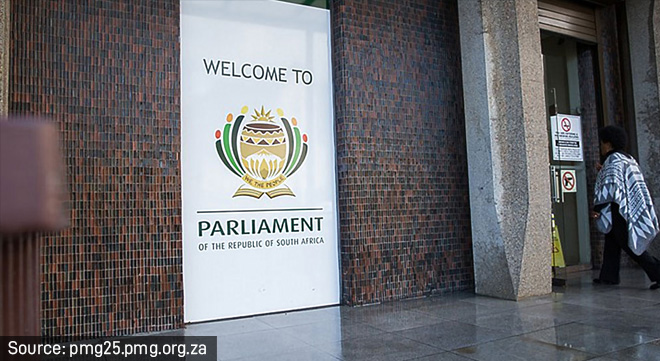
The wording of several provisions has been refined, but procurement-related drafting and the response to concerns raised by the NPO sector remain outstanding.
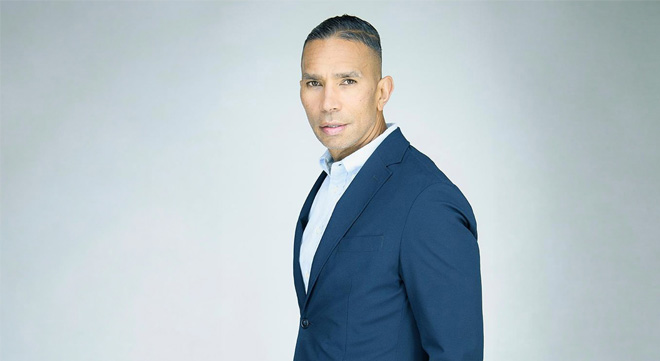
Warren Wheatley says the matter involved three trades in 50 shares worth R301 while he was testing a stockbroker platform.

The FSCA improperly allowed cost-recovery considerations to influence the sanction and did not assess the applicant’s financial benefit separately from his client’s.