


BHI Trust fallout widens as FSCA bans intermediary for 20 years
The FSCA’s latest action highlights the regulatory risks for individuals who may have been linked to the BHI Trust scheme.
The FSCA’s latest action highlights the regulatory risks for individuals who may have been linked to the BHI Trust scheme.

National Treasury’s draft framework signals tighter expectations for how firms deliver, integrate, and measure financial education.

Twin enforcement actions show sustained pressure on unauthorised operators and market misconduct.

Guidance under development signals stricter application of existing rules to sustainability claims and disclosures.


Judgment confirms that such guarantees require licensing under the Insurance Act, resolving a long-running classification dispute.

Discussion paper weighs regulation, codes and hybrid options as data quality and governance risks come into focus.

Final PCC 23A sharpens the definition of credit providers, confirming broad inclusion while drawing clearer lines around incidental credit and non-traditional lending.

Rulings show weak controls can force retirement funds to repay benefits years later, with interest.


The High Court finds Banxso knowingly benefited from deepfake adverts, misled clients about its licence and returns, and is ‘hopelessly insolvent’.

The Bill largely clarifies and strengthens existing AML/CFT expectations rather than introducing a new regulatory philosophy.

The Bill proposes that arrangements yielding outcomes similar to traditional financial products be treated as financial services.

In Circular 48, the CMS signals tougher enforcement against exempted insurers, warning that non-compliant branding and failure to notify regulators will attract decisive action.

A Northern Cape High Court ruling shows how easily advisers can be left personally exposed.
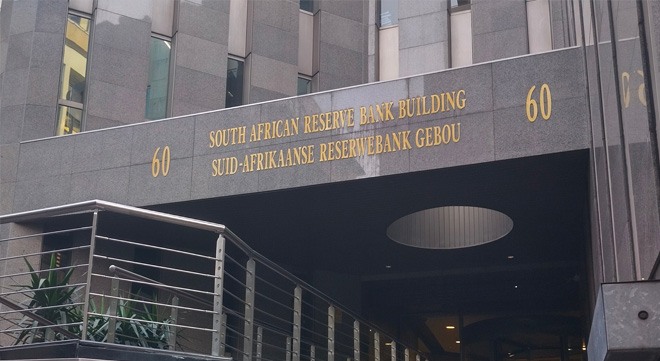
The Institute for International Tax and Finance says the latest exchange control changes could discourage foreign investors and add red tape for non-residents.

Despite the FSCA’s findings of RMCP gaps, SCI confirms that client funds remain secure and no money laundering or terrorist financing was detected.

In response to South Africa’s greylisting, the Authority has grown its AML/CFT team, increased on-site inspections, and ramped up fines.

The FSCA is closing the prudential gap between banks and non-bank OTC derivative providers, signalling higher capital and risk-management standards.