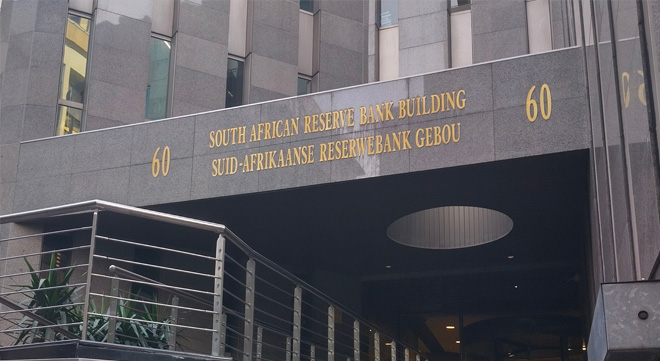



‘Appropriate’ and ‘adequate’ – two words that will shape SA’s next FATF review
New criteria require closer supervisory scrutiny of DNFBPs on market entry, ongoing oversight, and high-quality suspicious-transaction reporting.

New criteria require closer supervisory scrutiny of DNFBPs on market entry, ongoing oversight, and high-quality suspicious-transaction reporting.

As South Africa prepares for a tougher FATF evaluation, FSPs must master risk-based compliance – balancing security, cost, and strong partnerships to target real threats and protect legitimate customers.

The updated guidance gives concrete examples of compliance failures and explicitly states that poorly documented RMCPs may be treated as non-compliant.

Ensure registrations and filings are finalised by 5pm on 8 September and back up all records – the old system will be retired after the upgrade.

As regulatory enforcement escalates, MBSE’s specialised FICA, POPIA and NCA short courses provide financial professionals with the most practical way to stay compliant, avoid costly penalties, and build lasting client trust.

The sessions will cover institutions’ regulatory reporting obligations and establishing beneficial ownership.

Institutions that are wrongly registered as ‘business entities with a reporting obligation’ face being sanctioned by the FIC.

From funeral policy breaches to crypto non-compliance and weak AML measures, the regulator’s latest report outlines its key priorities – with online harm topping the list.

HBZ was fined an effective R7.5m, Citibank’s fine was fully suspended, and Bank of Taiwan was reprimanded.

The owner of MIKA Finansiële Dienste shares four key takeaways after successfully remediating the deficiencies in its RMCP.

What the Authority expects from financial services providers when it conducts Financial Intelligence Centre Act inspections.

An RMCP must set out the processes for identifying, investigating, and reporting suspicious transactions, and for screening clients against the sanctions lists.

An inspection identified inadequate implementation of the RMCP and deficient customer due diligence processes.

The Centre, through inspections and compliance monitoring, will test an RMCP against the legislative requirements.

Absa was fined R7m for inadequate customer due diligence and R3m for delays and closures of transaction monitoring alerts.

Financial institutions that proactively embed governance, technology, and culture to meet evolving regulatory standards will not only avoid penalties but also strengthen credibility, build resilience, and drive long term value.

The FSCA and the FIC remind CASPs and FSP CASPs of the compliance requirements that take effect on 30 April.