


What to check when SARS has filled in your return
Two-pot withdrawals, carried-forward retirement contributions, and incomplete third-party data can affect the final tax position.
Two-pot withdrawals, carried-forward retirement contributions, and incomplete third-party data can affect the final tax position.

Trustees face growing pressure to file outstanding returns or formally deregister dormant trusts before penalties escalate.

By addressing minor inconsistencies upfront, taxpayers may avoid verification delays and receive refunds sooner where applicable.

Advanced data matching is helping SARS to identify businesses and individuals whose tax affairs do not align with their activities.

The Notice also sets out who does and does not have to submit a tax return.

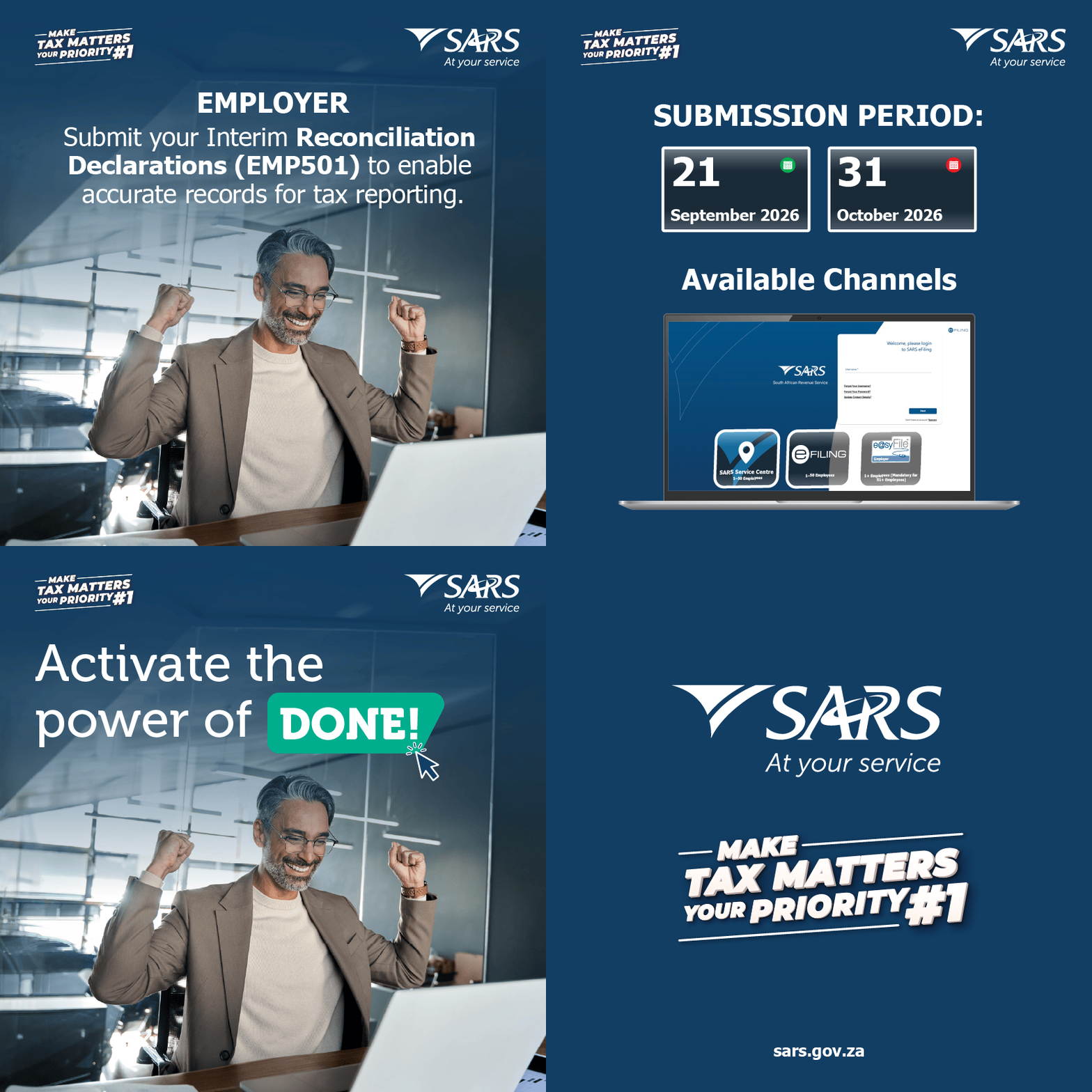
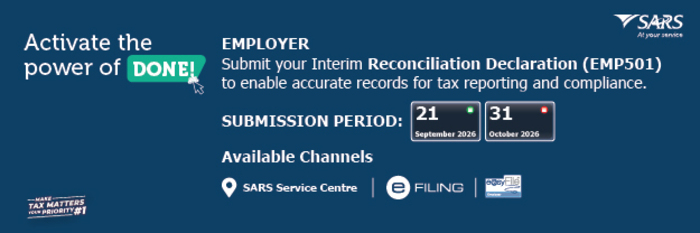
As third-party submissions open, SARS urges employers to file early and accurately or risk triggering errors, delays and taxpayer verifications.
Banks are already acting on the updated exchange control requirements, and transfers without an AIT certificate may be frozen.
With more tax returns submitted, SARS is intensifying efforts to ensure full compliance, particularly among trusts, using AI and data-driven enforcement.

Half of corporate taxpayers in PwC’s latest survey express dissatisfaction with SARS’s service improvements. Only 3% report a positive shift, while audit delays and penalty disputes remain a major pain point.
Among other measures, SARS says it is engaging with the FSCA about providing information on registered crypto asset service providers.
The South African Revenue Service is flagging tax returns that have not been filed and where it has third-party information available to it.