



RAF’s balance sheet delivers a brutal reality check
The return to the GRAP accounting standard has put R452.4bn of liabilities back on the books – more than nine times the RAF’s annual income of R48.1bn.
The return to the GRAP accounting standard has put R452.4bn of liabilities back on the books – more than nine times the RAF’s annual income of R48.1bn.

The new CEO inherits a Fund grappling with a large claims backlog, mounting legal costs, and management instability.
The committee says delays in investigating and settling claims, combined with a chaotic approach to litigation, have driven much of the Fund’s escalating legal bill.
An arrangement intended to cost R10m for 10 months ran for years, absorbed R26.6m in seven months, and included claims work outside its scope.


SCOPA says linking attorneys’ success fees to claim values may create incentives to inflate claims, while billions in legal costs flow through a small group of firms.
The revived RAF 1 Form claims could create billions of rands in additional liability, with the Fund’s first-quarter average payment illustrating the potential scale of the exposure.

The RAF has emerged from years of adverse audits with an unqualified opinion, while the government is reworking the Fund’s funding model as part of the revived RABS Bill.

From loss of earnings to plaintiff attorneys, the quarter’s figures offer a closer look at where the RAF’s money is going.
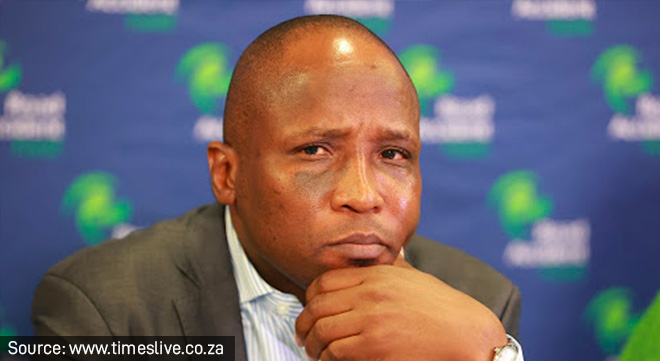
SCOPA’s draft report suggests the deeper the committee dug into the RAF, the more governance failures it uncovered.
Fitch’s first upgrade in 21 years caps a remarkable turnaround, but hidden liabilities, weak growth, and structural problems stand between the country and investment-grade status.

Years of payment delays, missing invoices, and weak administration left medical experts unpaid, before the Fund sought to invoke prescription against some claims.
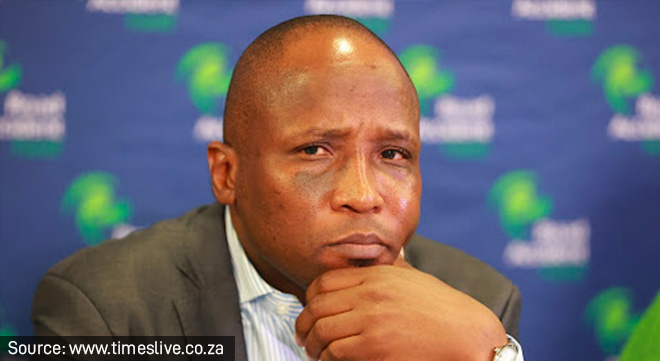
SCOPA votes to proceed with a criminal charge against former RAF CEO Collins Letsoalo, despite uncertainty over whether the summons he ignored was served correctly.

The government says work on reviving the RABS Bill is nearing completion, even as critics warn the reforms could worsen the RAF’s financial crisis.

The judgment criticises the Fund’s continued resistance to medical-expense claims already addressed in earlier Western Cape rulings.
A Court-ordered reset of the RAF claims process may force recognition of previously excluded liabilities, with potentially severe consequences for the Fund and the fiscus.
SCOPA says the RAF 1 form may have kept claims out of the system, leaving the Fund exposed to a wave of unrecognised liabilities if it is set aside.

Neither the RAF nor the Minister of Transport can limit who qualifies for compensation under the Act.


