



Two-pot system ‘softens the damage’ of annual withdrawals
Even after fully depleting the savings component each year, a hypothetical member fares better in Alexforbes’ model than under its previous-system scenario.
Even after fully depleting the savings component each year, a hypothetical member fares better in Alexforbes’ model than under its previous-system scenario.

Asset-allocation percentages provide a starting point, but assessing issuer concentrations and overlapping holdings requires more detailed evidence than a fund fact sheet can provide.

Following its 2023 judgment, the Court has removed the separate exclusion that prevented pension interest from being considered in qualifying post-1984 marriages.

The deal gives Momentum full ownership of the retirement fund administrator despite Verso’s recent losses, with scale and complementary businesses central to the rationale.

The Adjudicator upheld a fund’s reliance on affordability requirements but cautioned it about poor service delivery and delayed communication.

The developing FSCA value-for-money approach puts costs alongside investment performance, service quality, governance, and member outcomes.

The determination highlights the need for independent judgment, proper investigation, and clear reasons when allocating benefits among dependants.

A BER analysis finds that the same cash flows could theoretically have produced R69.7bn more in the bond market, while highlighting the limits of comparing returns with developmental objectives.

An IRFA panel says trustees need clear escalation processes and persistent oversight to turn section 13A compliance into meaningful recovery action.

Retirement funds will face expanded annual and quarterly reporting, while boards remain responsible for setting ESG mandates and overseeing how asset managers implement them.

The regulator is looking to international models as it seeks a more consistent way to assess member outcomes, costs, and investment performance.

Initial cost comparisons can obscure how fees linked to assets, salaries, or membership grow over time, potentially producing sharply different outcomes.

The Pension Funds Adjudicator plans to use its powers more assertively against employers, funds, and responsible persons who ignore complaints or fail to co-operate.
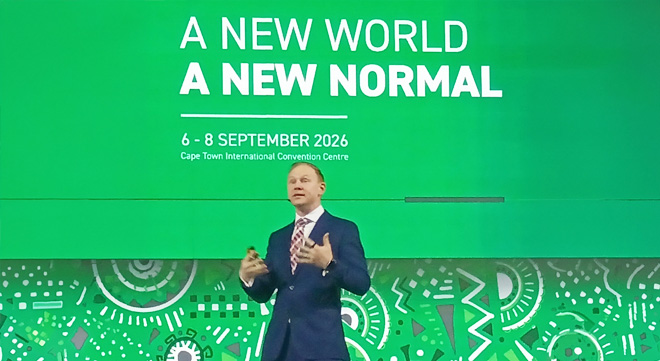
Discovery’s research points to a complex relationship between mental well-being, financial behaviour, and retirement savings withdrawals.

New IRFA chairperson Nancy Andrews says the industry must look beyond immediate developments and focus on responsible stewardship, sound governance, and long-term outcomes for members.

IRFA will focus on governance, member education, and constructive policy engagement as the retirement-fund sector navigates continuing regulatory change.

Many members value retirement guidance, but research suggests it often comes after key savings, preservation, and income decisions have already been made.