

Would your planning practice survive without you?
Mark Hedderman challenges advisers to test how well their firms could maintain client relationships, service standards, and decision-making if the founder were suddenly absent.
Mark Hedderman challenges advisers to test how well their firms could maintain client relationships, service standards, and decision-making if the founder were suddenly absent.

From AI and climate risk to healthcare costs and regulatory reform, the summit explored how advisers can adapt while preserving sound judgement, accountability, and meaningful client relationships.
Kim Potgieter explains how advisers can uncover clients’ goals, money beliefs, and emotional responses before recommending a financial solution.
Who can advise on digital assets, where can clients move them, and what can SARS see? A practical look at the questions advisers need to understand.

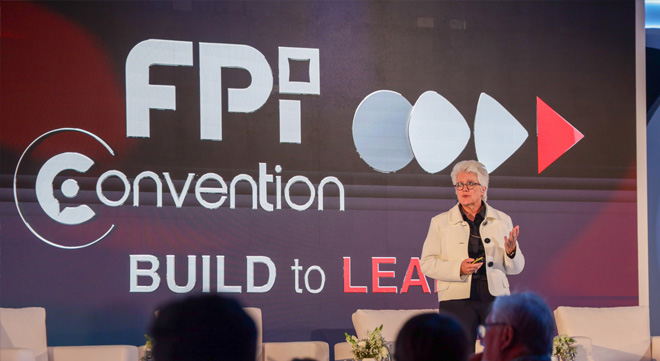
Rianné Potgieter says greater regulatory discretion demands broader knowledge, ethical leadership, and accountability for the decisions planners make.

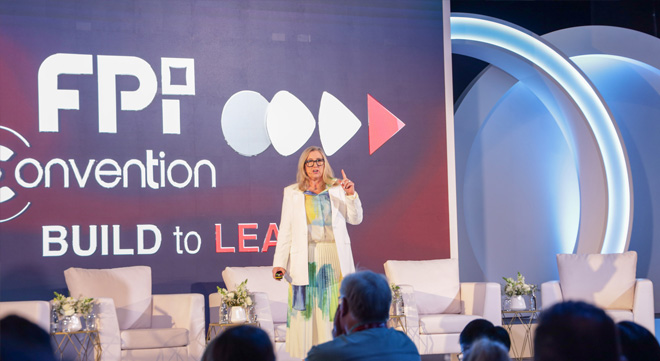
An FPI convention panel explored the implications of AI for client data, technical competence, record-keeping, and the adviser-client relationship.
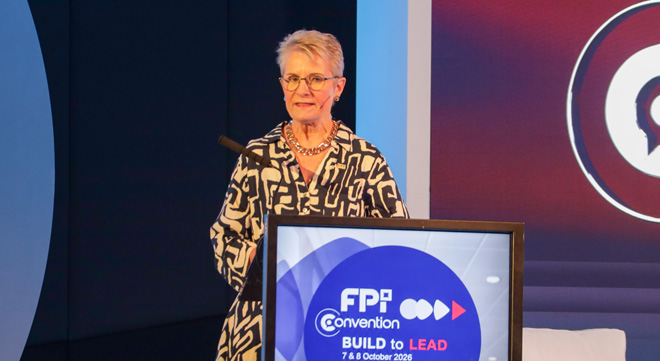
Kirsty Scully says five global trends and four possible AI scenarios show why advisers must adapt without sacrificing the human guidance clients value.

COFI would require FSPs to have systems capable of producing reliable, regulator-ready information when the FSCA requires it.

An IRFA panel says trustees need clear escalation processes and persistent oversight to turn section 13A compliance into meaningful recovery action.
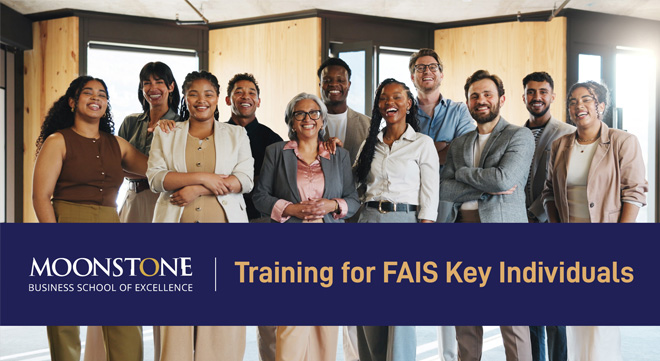
From regulatory exams to qualifications, Class of Business training, and CPD, MBSE can support professionals through the broader Fit and Proper requirements.

Designed for entrepreneurs and professionals assisting clients, MBSE’s new course provides a practical guide to registering a business and staying compliant afterwards.

The Bill re-organises existing asset-protection obligations into a fiduciary framework that places greater emphasis on governance, evidence, and customer protection.

Financial services professionals explain how the Higher Certificate in Wealth Management sharpened their skills, broadened their perspective, and prepared them for the next stage of their careers.

Three staff members returned to formal study while working full-time, gaining new qualifications and fresh insight into the challenges their students face.
Moonstone Compliance’s executive training gives decision-makers the knowledge to manage regulatory risk, exercise effective oversight, and strengthen governance.

Case law highlights the drafting, evidence, and settlement pitfalls that can determine whether valuable client relationships and confidential information remain protected.
Moonstone Compliance’s POPIA Toolkit gives businesses a structured, practical way to navigate POPIA through customisable templates, checklists, and risk-management tools.


